
Cabin fever cures for indoor cats.
Long, dark Anchorage winters can leave indoor cats with very little to do. Here's what they need, and a free enrichment bingo card to make it a game all winter.
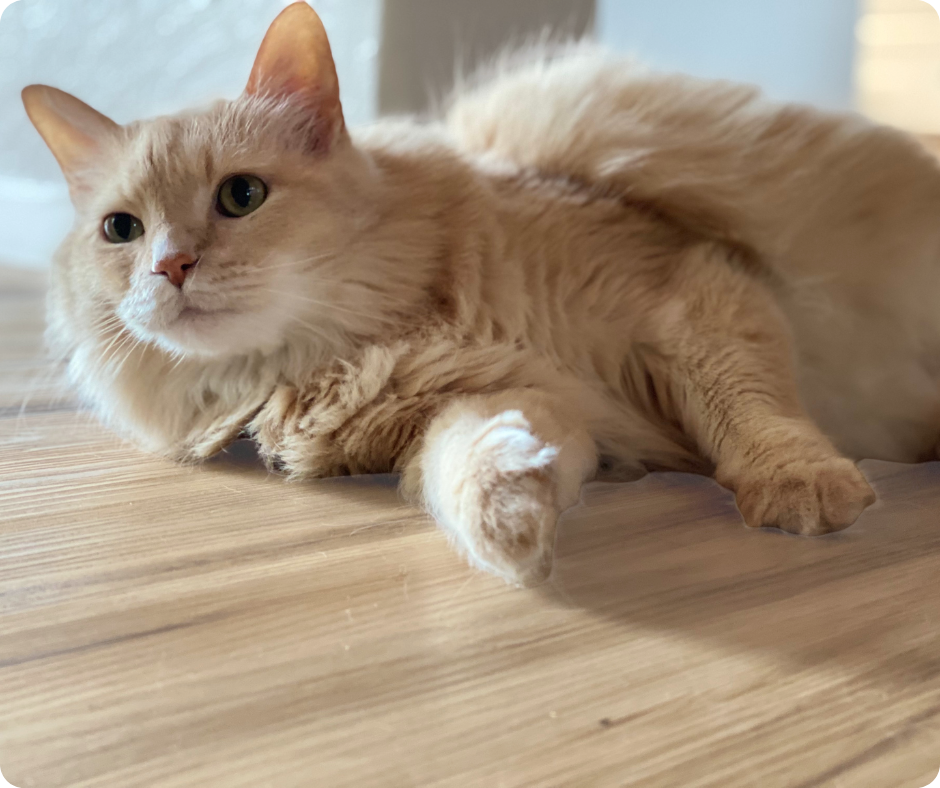
Around the winter solstice, Anchorage gets about five and a half hours of daylight. We feel it, and so do our cats. Fewer birds at the window, fewer bugs to chase and more hours of quiet can leave an indoor cat with very little to do.
A bored cat isn't always a calm one. Some sleep more and gain weight. Others turn their energy on the curtains, the houseplants or your ankles at 4 a.m.
The good news is that a little daily enrichment goes a long way. This guide explains what indoor cats need, according to the feline veterinary community, and turns it into a game you can play all winter.
Want to make it a game? Try a new square each day and see how fast your cat gets a bingo.
Download the bingo cardWhy winter is hard on indoor cats.
Cats are natural hunters. In the wild, a cat may eat 10 to 20 small prey a day, according to the American Association of Feline Practitioners (AAFP). Each meal means searching, stalking and catching.
Indoors, dinner arrives in a bowl. That's safe and convenient, but it removes most of what a cat's brain and body are built to do. Winter takes away much of what's left, like sunbeams to follow and birds to watch.
That gap matters. In 2022, veterinary teams classified 61% of the cats they assessed in the U.S. as overweight or obese, according to the Association for Pet Obesity Prevention. Inactivity is part of that picture.
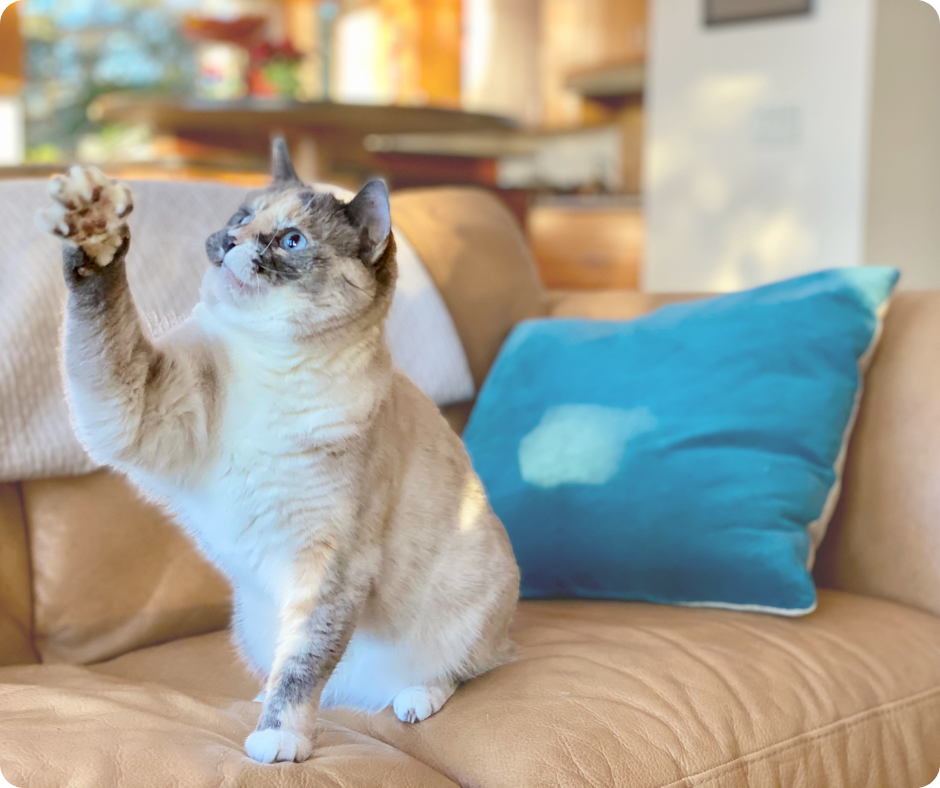
What every cat needs.
In 2013, the AAFP and the International Society of Feline Medicine (ISFM) published guidelines for meeting cats' environmental needs. They describe five essentials, often called the five pillars:
- A safe place to retreat.
- Separate spots for food, water, litter, scratching, play and rest.
- Chances to play and act out hunting behavior.
- Positive, consistent and predictable time with people.
- A home that respects a cat's sense of smell.
Every square on our bingo card supports at least one of these pillars.
Play that ends with a catch.
The best play mimics a real hunt. Move a wand toy the way prey moves: skittering away, pausing behind a chair, then darting off again. Let your cat catch it at the end, so the game finishes with a win instead of frustration.
VCA Animal Hospitals recommends at least three short play sessions a day, timed for when your cat is naturally active. Many cats are most playful around dawn and dusk.
Try playing right before a meal. A hunt followed by dinner fits the natural rhythm of hunt, eat, groom and sleep, and it may help a cat who wakes you up early settle in for the night.
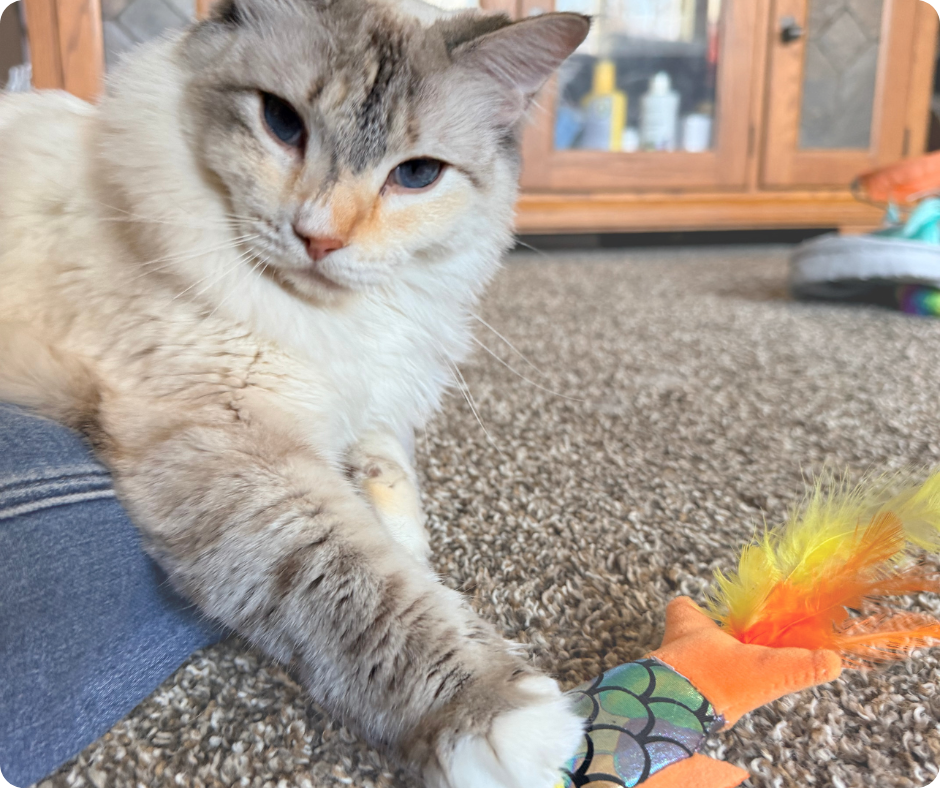
Make mealtime a puzzle.
Food puzzles release food as a cat pushes, rolls or paws at them. A 2016 review in the Journal of Feline Medicine and Surgery described cases where puzzles helped with weight loss, frustration-related aggression and fearfulness. One obese 8-year-old cat lost 20% of his body weight in a year.
You don't need anything fancy. An egg carton, a muffin tin with tennis balls over each cup, or a toilet paper tube with the ends folded closed all work. Start easy so your cat succeeds quickly, then make it harder as they learn.
The AAFP and ISFM also suggest hiding small portions of food around the house, so your cat searches for meals the way they would in nature.
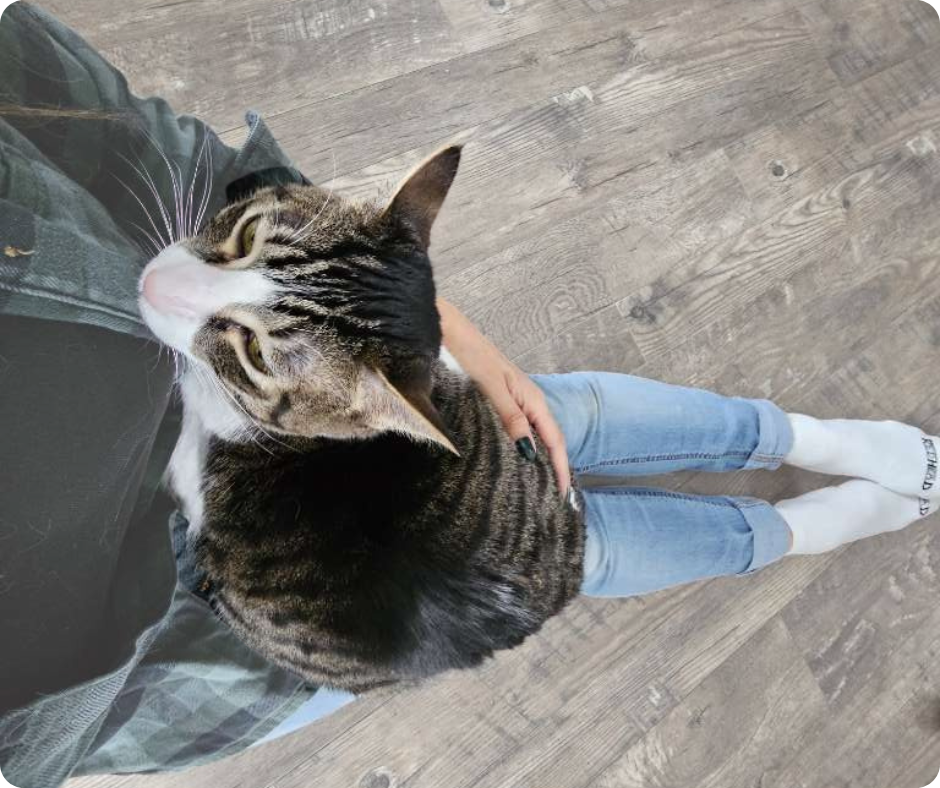
Climbing, perching and hiding.
Cats feel safest when they can watch from above. A cat tree, a cleared bookshelf or a window perch adds vertical space and gives your cat a lookout. The guidelines suggest perches big enough for a full stretch.
Hiding spots count too. A cardboard box on its side or a paper bag with the handles cut off makes an instant fort.
A new world to sniff.
Smell is one of the most important ways cats understand their world. Scent enrichment is easy to add in winter.
If your cat doesn't react to catnip, you're not alone. In a 2017 study in BMC Veterinary Research, 68% of cats responded to catnip, while 79% responded to silver vine and about half responded to Tatarian honeysuckle or valerian root. Offer these in a sock or on a toy so your cat sniffs and rolls rather than eats a lot of it.
The guidelines also warn against strong-scented cleaners and litter, which can be unpleasant for cats.
Time together on their terms.
Cats do best with predictable, positive interaction they get to choose. Short daily rituals work well: a few minutes of brushing, a training session or quiet lap time.
Try the slow blink. A 2020 study in Scientific Reports found that cats were more likely to approach a person who slowly narrowed their eyes at them. It's an easy way to say hello in cat.
Bored or sick?
Cats are good at hiding illness, so a change in behavior deserves a closer look before you blame the weather. VCA lists signs that can point to a health problem:
- Eating or drinking noticeably more or less
- Changes in the litter box, including straining or going more often
- Hiding more than usual, or new irritability or clinginess
- A greasy or matted coat, or overgrooming
- No longer jumping onto favorite furniture
- Restlessness or howling at night
How to play Cat Winter Enrichment Bingo.
- Print the card and put it on the fridge.
- Try one square a day, or a few on the weekend.
- Mark each square your cat enjoys. Note the favorites so you can repeat them.
- Five in a row is a bingo. A full card is a very enriched cat.
Squares are mixed so each row covers several kinds of enrichment. Go at your cat's pace, and skip anything that seems to stress them.
Download the bingo cardWhat's on the card
Hunt
- Wand toy hunt that ends in a catch
- Play, then serve dinner
- Ping-pong ball in an empty bathtub
- Toss a crinkly paper ball
- Rotate the toy basket
Forage
- Serve a meal in a puzzle feeder
- Kibble hunt in an egg carton
- Hide 5 treats around the house
- Toilet paper tube treat roll
- Muffin tin and tennis ball puzzle
Perch
- Clear a window perch
- Make a new high spot
- Cardboard box fort
- Paper bag tunnel (handles cut off)
- Bird or bug video for cat TV
Scent
- Try silver vine
- Catnip on the scratching post
- Grow a pot of cat grass
- Add a new cardboard scratcher
Bond
- Slow blink hello
- Five-minute brushing session
- Teach a high five
- Indoor harness practice
- Quiet lap time, their choice
Free space: Nap in a sunbeam (if you can find one).
Frequently asked questions.
How much play does an indoor cat need?
VCA recommends at least three short play sessions a day. Five to ten minutes each is a good start for most adult cats.
My cat ignores toys. What should I try?
Move the toy like prey, away from your cat rather than toward them, and try a different time of day. Rotating toys every few days also keeps them interesting.
Is catnip safe?
Catnip is generally considered safe, and cats usually lose interest after a few minutes. Offer it occasionally rather than all day.
Can older cats do enrichment?
Yes. Choose gentler options like scent play, short puzzle feeders and low perches with steps or ramps.
Cozy cats all winter.
A few minutes of play, a puzzle at dinner and a new box to explore can make the darkest weeks of the year more interesting for your cat. Our team cares for many indoor cats across Anchorage and Eagle River, and we're always happy to share ideas.
Traveling this winter?
We'll keep your cat's routine, meals and play on track while you're away.
Sources: AAFP/ISFM Feline Environmental Needs Guidelines · VCA: Enrichment for Indoor Cats · VCA: Recognizing the Signs of Illness in Cats · Food puzzles for cats (Dantas et al., 2016) · Association for Pet Obesity Prevention 2022 · Olfactory enrichment for cats (Bol et al., 2017) · Slow blink study (Humphrey et al., 2020) · ASPCA: string and yarn hazards · Alaska.org: Shortest day in Alaska


