
How cold is too cold to walk your dog?
An Anchorage winter guide. There's no single temperature that's too cold for every dog. Here's how to tell what's safe for yours, and what to do on the coldest days.
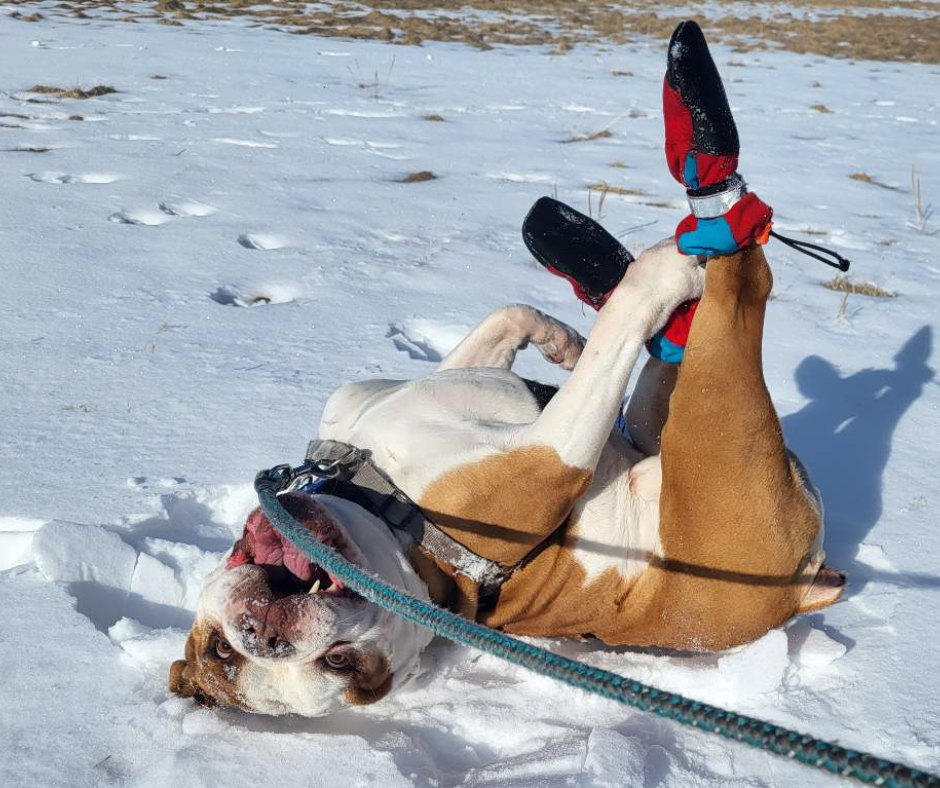
In Anchorage, January averages a high of 23°F and a low of 11°F. Some dogs treat that as perfect weather. Others are shivering before they reach the end of the driveway.
A dog's safe limit depends on size, coat, age, health and how used to the cold they are, plus wind and wet conditions on the day. This guide explains how veterinarians think about cold risk, what to watch for, and how to keep winter walks safe and fun.
Want a quick answer for today? Choose Anchorage or Eagle River for live weather, add a few details about your dog, and our free guide suggests a walk plan.
Try the Winter Walk GuideWhat sets your dog's cold limit.
- Size. Small dogs lose body heat faster because they have more surface area for their weight.
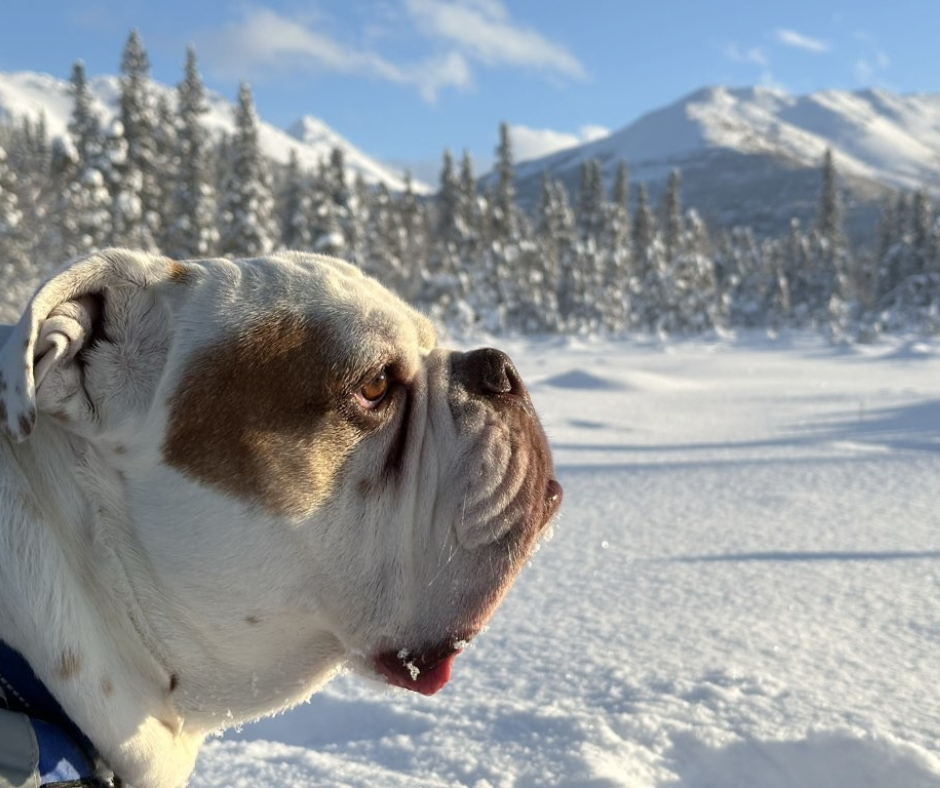
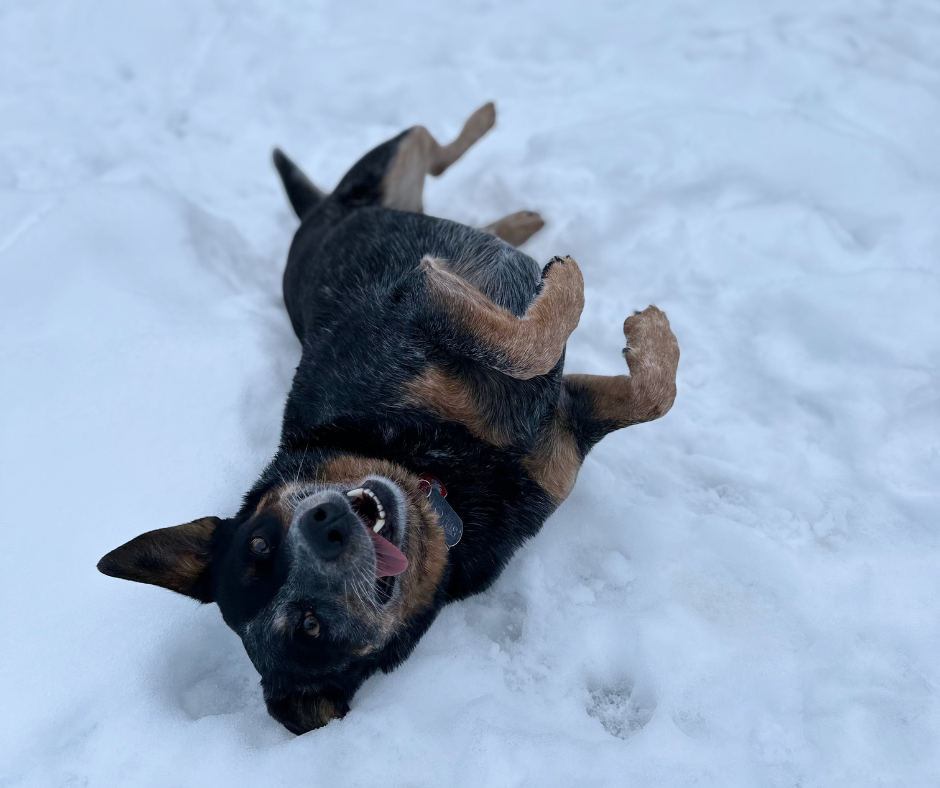
- Coat. Northern breeds like huskies and malamutes have dense double coats built for cold. Short, single-coated dogs have far less protection.
- Body condition. According to the American Veterinary Medical Association (AVMA), pets that are young, old, ill or thin are particularly vulnerable to the cold.
- Acclimation. A dog that spends time outdoors all fall copes better in January than one that rarely leaves a warm house.
- Wind and moisture. Wind strips away body heat, and a wet coat loses much of its insulating value. A 20°F day with wind or sleet is harder on a dog than a calm, dry 20°F day.
The scale veterinarians use.
Tufts University's veterinary school developed the Tufts Animal Care and Condition (TACC) scales to help assess risk to dogs from weather. The weather scale scores risk from 1 to 5 by temperature and body size, then adjusts for factors like coat, age and wet conditions. A version of it appears in materials shared with the Anchorage Assembly's Public Health and Safety Committee.
The scale was designed for dogs left outdoors, not dogs on a supervised walk. It's still a useful guide to when risk starts to rise. Before any adjustments, it looks roughly like this:
| Dog size | Use caution below | Risk likely below | Dangerous below |
|---|---|---|---|
| Small | 45°F | 30°F | 5°F |
| Medium | 35°F | 25°F | -5°F |
| Large | 25°F | 0°F | -10°F |
Risk goes up for toy breeds, puppies, seniors and dogs out in rain or sleet. It goes down for heavy-coated northern breeds, dogs used to the cold and dogs wearing cold-weather gear. Our Winter Walk Guide applies these adjustments for you.
Signs your dog is too cold.
The AVMA lists these early signs of hypothermia:
- Shivering or whining
- Anxiety or reluctance to keep walking
- Slowing down or weakness
- Looking for warm places to burrow
If you see any of these, head home and warm your dog with a dry towel or blanket. Frostbite is harder to spot. It most often affects ears, tail tips and paw pads, and the AVMA notes it may not be fully recognized until a few days after the damage is done. Call your veterinarian if you suspect hypothermia or frostbite.
Anchorage winter hazards to know.
- De-icers and antifreeze. After each walk, wipe your dog's paws, legs and belly to remove de-icers and other chemicals before they're licked off. The AVMA warns that even small amounts of antifreeze can be deadly, so clean up any spills in the garage.
- Ice between the toes. Long-haired dogs often collect ice balls between their pads, which can cause soreness and cuts. Keeping that fur trimmed short helps, and your groomer can do it during a regular appointment.
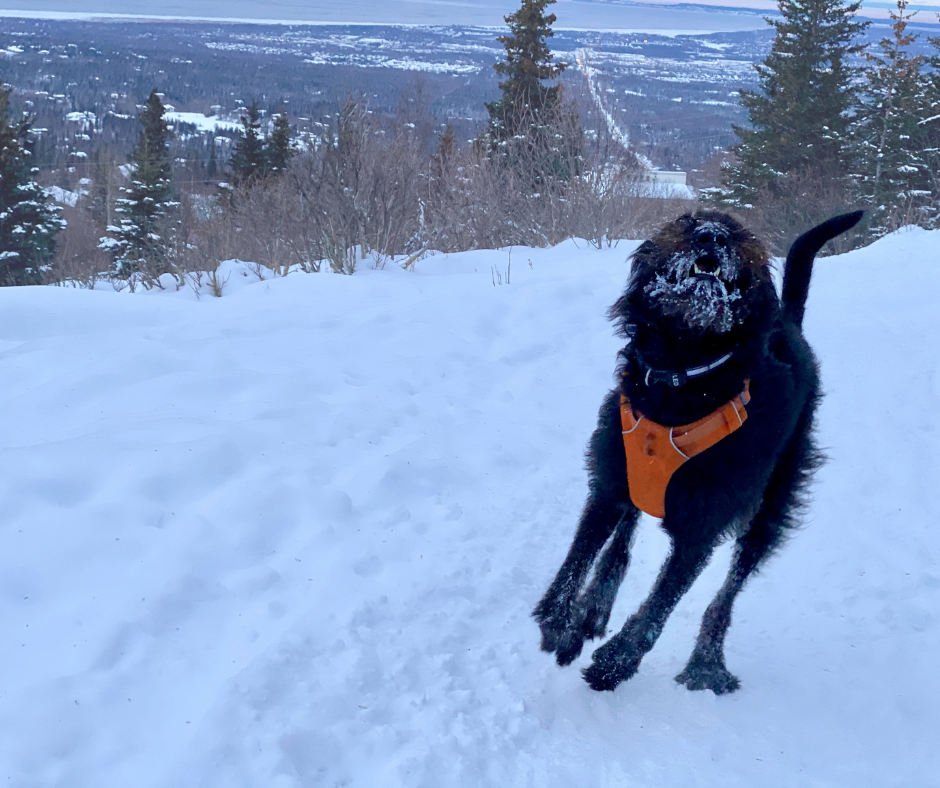
- Short days. Anchorage gets less than six hours of daylight around the winter solstice. A reflective harness or a clip-on light helps drivers see you both.
- Moose on the trail. Deep snow pushes moose onto plowed roads and packed trails, and a stressed moose may see a dog as a threat. Give them plenty of space and turn around when you need to.
- Cold cars. A parked car cools quickly. The AVMA recommends never leaving a pet alone in a vehicle in cold weather.
When it's too cold for a real walk.
On the coldest days, a few short potty breaks plus indoor enrichment can tire a dog out more than you'd expect. Try these:
- Scatter feeding. Toss part of a meal across a towel or rug and let your dog sniff it out.
- Find it. Hide treats around a room and send your dog to search.
- Short training sessions. Five minutes of practicing a new trick works the brain as well as the body.
- Puzzle feeders and lick mats. These slow down eating and give dogs a calm, satisfying job.
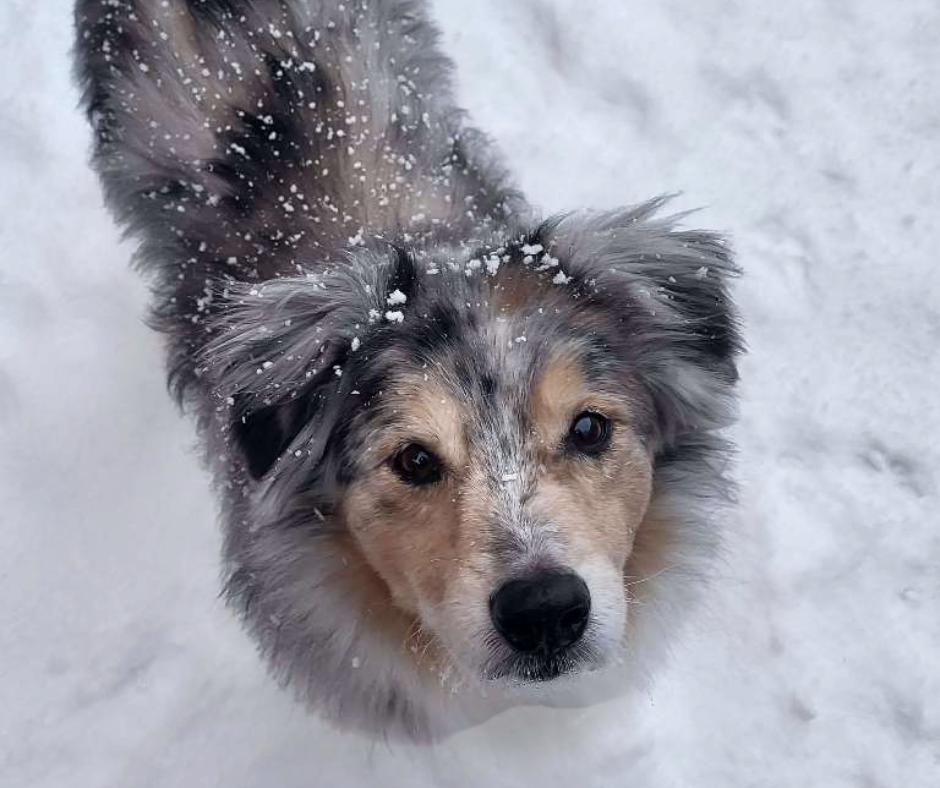
Sniffing is a natural, satisfying activity for dogs, so a slow, nose-down walk around the block can be more fulfilling than a fast lap in the cold.
Frequently asked questions.
At what temperature should I limit my dog's walks?
For many small and short-coated dogs, caution starts around 40°F. Most medium and large dogs handle colder temperatures, but risk rises for nearly every dog as temperatures approach 0°F, especially with wind.
Do dogs need booties in Anchorage?
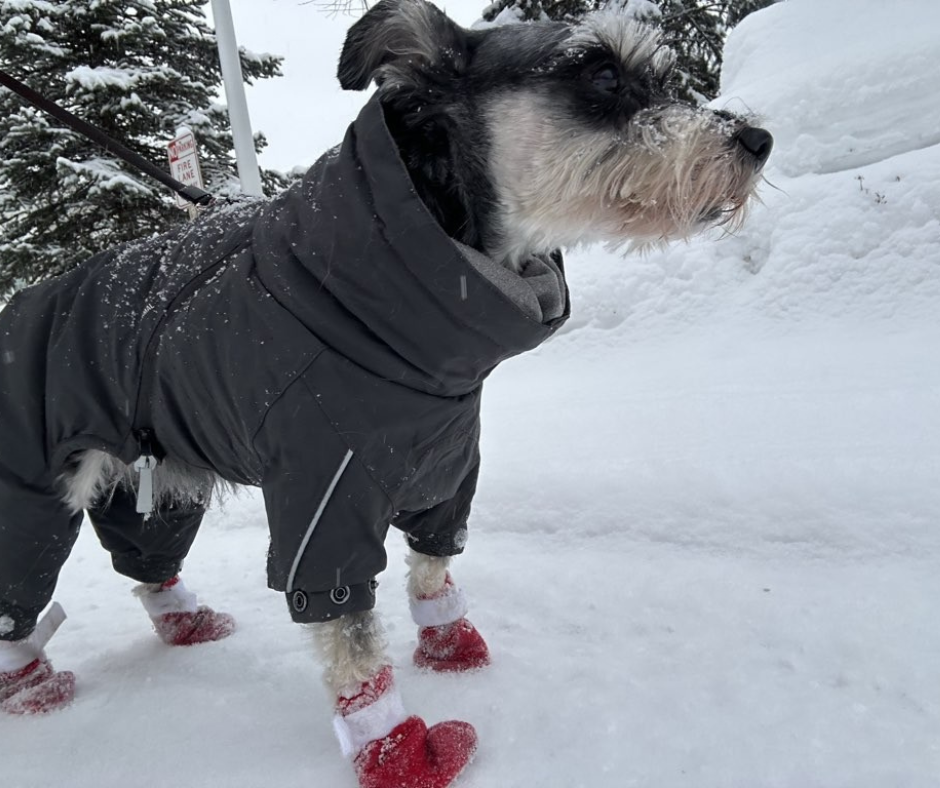
Many do. Booties protect paws from ice, salt and sharp crusted snow. Introduce them slowly with treats at home so your dog gets used to the feel.
Can huskies stay out in any weather?
Northern breeds tolerate cold far better than most dogs, but they still need shelter, dry bedding and fresh, unfrozen water. Watch for the same warning signs in every breed.
Is it okay for my dog to eat snow?
A little clean snow is generally fine. Avoid snow near roads and sidewalks, where it can hold de-icers and other chemicals.
Out in every season.
Our team walks Anchorage and Eagle River dogs all winter. During the coldest months, we shift our group outings to later in the morning for warmer temperatures, better light and cleared roads. Have a question about your dog in the cold? We're always glad to help.
Not sure if it's safe for a walk today?
Check today's conditions for your dog, or let our trained Hoomans brave the weather for you.
Sources: AVMA cold weather pet safety · Tufts-based Weather Safety Tool (Anchorage Assembly materials) · Anchorage temperature averages


