
Turkey, tinsel and trouble.
A holiday safety guide for pets: the foods, plants and decorations that cause the most trouble, plus the treats your pets can safely enjoy with you.
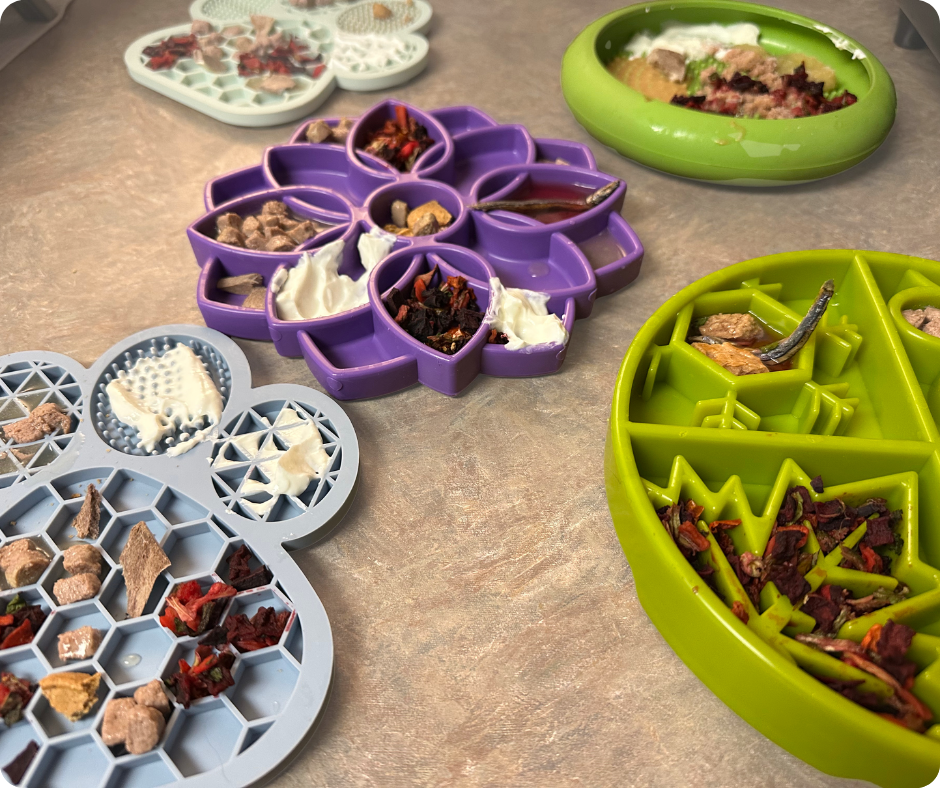
The holidays bring full tables, extra guests and a house full of new smells. For pets, that's exciting. It's also the time of year when many of them end up at the emergency vet for something they ate, chewed or knocked over.
Most of these visits are preventable. This guide covers the foods, plants and decorations that cause the most trouble, plus the treats your pets can safely enjoy with you.
Not sure about something on your table? Type in a food, plant or household item for a quick answer for your dog, cat, bird, rabbit, reptile, chickens or goats.
Try Can My Pet Eat This?At the table.
The ASPCA's advice is simple: stick to your pet's usual diet, and keep fatty, sweet and spicy foods out of reach. A few holiday staples deserve special attention.
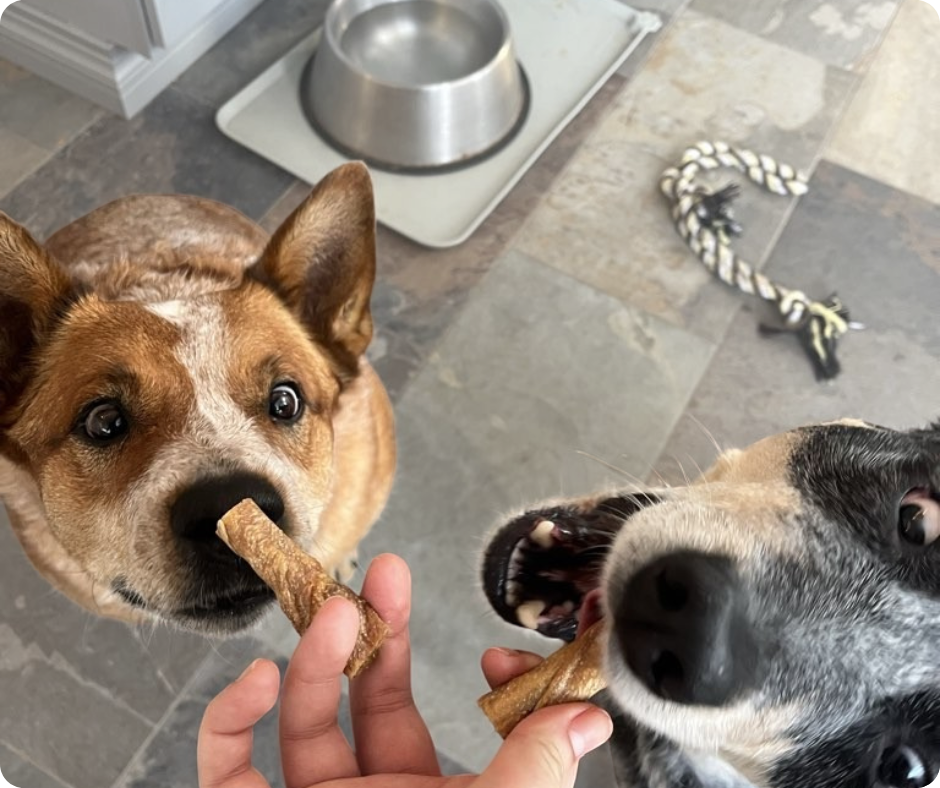
- Turkey and chicken bones. Poultry bones are a choking hazard and can splinter. Small pieces of plain, boneless, fully cooked turkey are fine for most pets.
- Skin, gravy and drippings. Rich, fatty foods can cause vomiting, diarrhea and pancreatitis, a painful inflammation of the pancreas.
- Onions, garlic and chives. These show up in stuffing, gravy and casseroles. They can damage red blood cells in both dogs and cats, and cats are especially sensitive.
- Grapes and raisins. Even small amounts can cause kidney damage in dogs. Watch the fruit tray, stuffing and holiday breads.
- Raw yeast dough. It keeps rising in the stomach, causing painful bloating, and the yeast produces alcohol as it ferments.
- Chocolate. Darker chocolate and baking chocolate are the most dangerous. Effects range from vomiting to tremors, seizures and an abnormal heart rhythm.
- Xylitol. This sugar substitute appears in some baked goods, candy, gum and peanut butters. In dogs it can cause dangerously low blood sugar and liver damage.
- Macadamia nuts. In dogs they can cause weakness, trouble walking, vomiting and tremors.
- Alcohol. Unattended drinks are easy to reach at a party. Alcohol is absorbed quickly and can be life-threatening for pets.
Treats you can share.
Your pet doesn't have to miss out. In small amounts, and with nothing added, these are generally safe for most dogs:
- Plain, boneless, skinless turkey
- Plain cooked green beans or carrots
- Plain canned pumpkin (not pie filling)
- Plain cooked sweet potato
Skip anything with butter, seasoning, onion or garlic. If your pet has a sensitive stomach or a health condition, check with your veterinarian first.
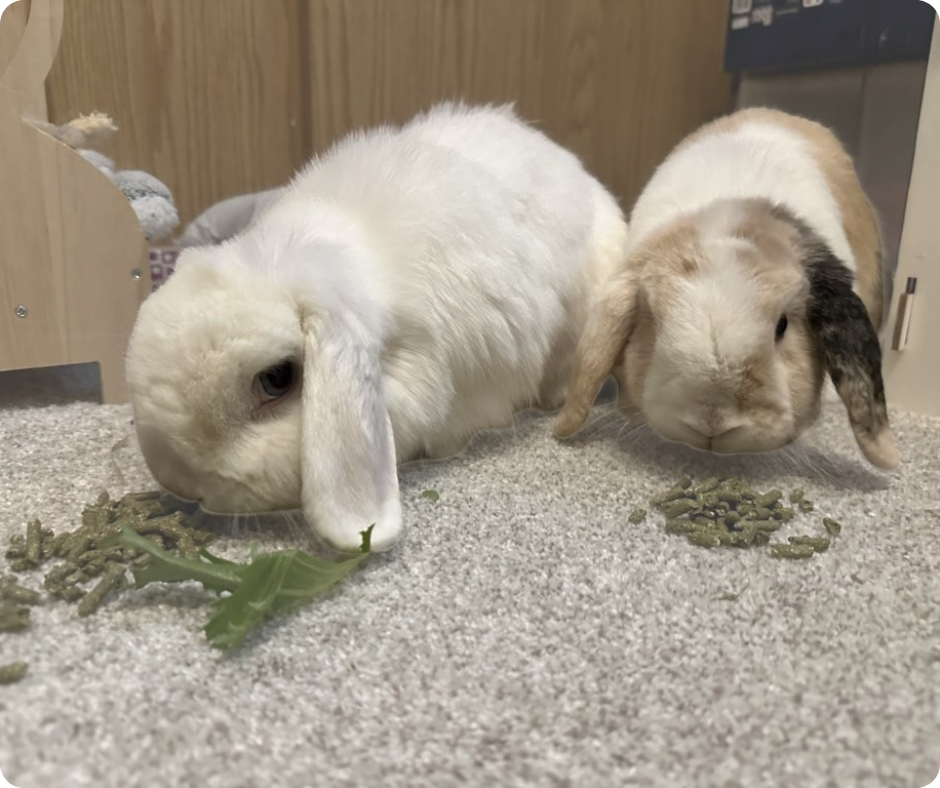
Holiday plants.
- Lilies are highly toxic to cats. Even a small amount of pollen or a sip of vase water can cause kidney failure. Check every bouquet that comes into the house.
- Amaryllis is toxic to dogs and cats and can cause vomiting, drooling, abdominal pain and tremors.
- Mistletoe and holly can cause stomach upset, and the ASPCA notes mistletoe can also affect the heart.
- Poinsettias have a scarier reputation than they deserve. They usually cause only mild to moderate stomach irritation, but it's still best to keep them out of reach.
- Christmas cactus is listed by the ASPCA as non-toxic to dogs and cats, which makes it a good choice for pet households.
Decorations and the tree.
- Tinsel and ribbon. Cats love them. If swallowed, they can block the intestines and may need surgery.
- Ornaments, cords and batteries. Broken ornaments cut mouths and paws, chewed cords can cause electric shock, and a punctured battery can burn the mouth and throat.
- Salt-dough ornaments. They look and smell like a treat, but the salt can cause a dangerous electrolyte imbalance.
- Snow globes. Many contain antifreeze (ethylene glycol), which is highly toxic and tastes sweet.
- Tree water. Cover the stand. Standing water can grow bacteria that upset a pet's stomach.
- Candles. A wagging tail or a curious cat can knock one over in seconds.
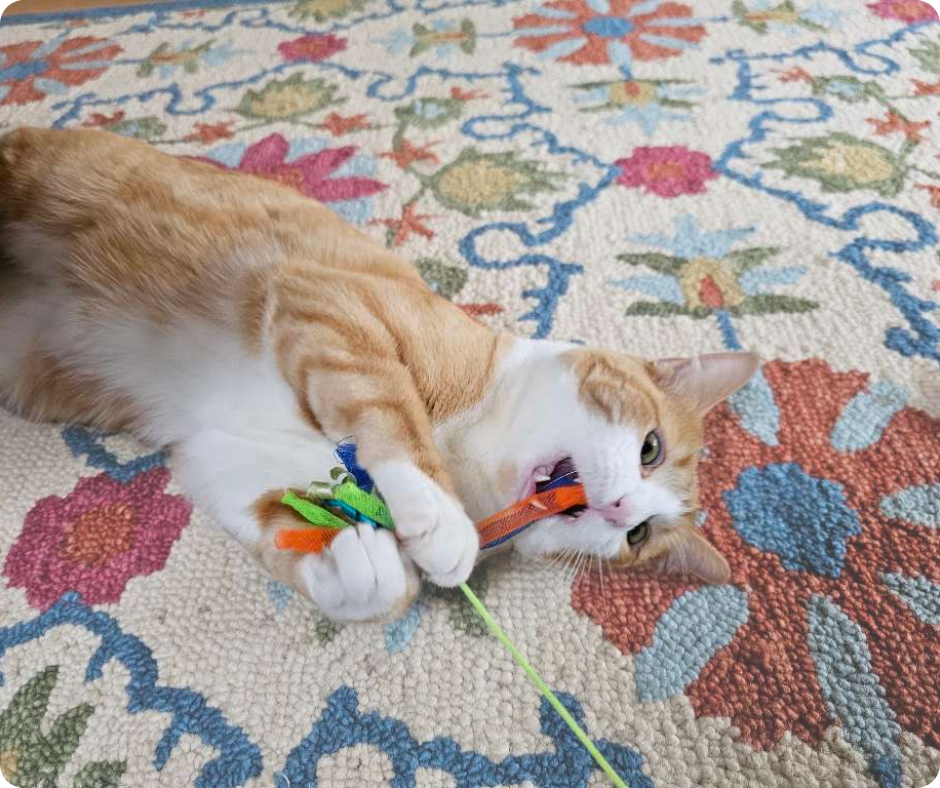
When the house is full.
Guests are part of the fun, but they change the routine.
- Doors open and close all evening. An escape in an Alaska winter is dangerous. Make sure ID tags and microchip details are current, and keep anxious pets in a closed room during arrivals.
- Guests' bags hold medications. Ask visitors to keep medicine in a closed cabinet, not a suitcase or purse on the floor.
- Some pets need a break. Set up a quiet room with water, a bed and a favorite toy so your pet can step away from the noise.
- New Year's Eve. Fireworks, poppers and confetti can frighten pets, and the ASPCA notes confetti can lodge in a cat's intestines.
If your pet eats something they shouldn't.
- Stay calm and move your pet away from whatever they got into.
- Note what they ate, how much and when. Keep the packaging if you have it.
- Call your veterinarian or the ASPCA Animal Poison Control Center at (888) 426-4435. The line is open 24 hours a day, every day of the year. A consultation fee may apply.
- Don't try to make your pet vomit unless a veterinarian tells you to.
Frequently asked questions.
Can dogs eat turkey?
Small pieces of plain, boneless, skinless, fully cooked turkey are fine for most dogs. Skip the skin, gravy and bones.
Are poinsettias poisonous to cats?
They can cause mild to moderate stomach upset, but they're far less dangerous than their reputation suggests. Lilies are the holiday plant cat owners most need to avoid.
Is pumpkin pie safe for dogs?
No. Pie filling contains sugar and spices, and some recipes use xylitol. Plain canned pumpkin is the safer choice.
What's the ASPCA Poison Control number?
(888) 426-4435. Save it in your phone before the holidays.
Happy, healthy holidays.
Whether you're hosting a houseful or heading out of town, a little planning keeps the holidays happy for everyone in the family, furry members included. Have a question about your pet's holiday plans? We're always glad to help.
Keep it on the fridge.
Our free Holiday Pet Safety card has the common hazards, safe treats and the Poison Control number in one place. Traveling for the holidays? Holiday dates fill early.
Sources: ASPCA Holiday Safety Tips · ASPCA Thanksgiving Safety Tips · ASPCA People Foods to Avoid · ASPCA: Amaryllis · ASPCA: Christmas Cactus · ASPCA Animal Poison Control


