
Before you hand over the keys.
What to ask before anyone cares for your pets, from backup coverage and insurance to moose, power outages and vet forms.
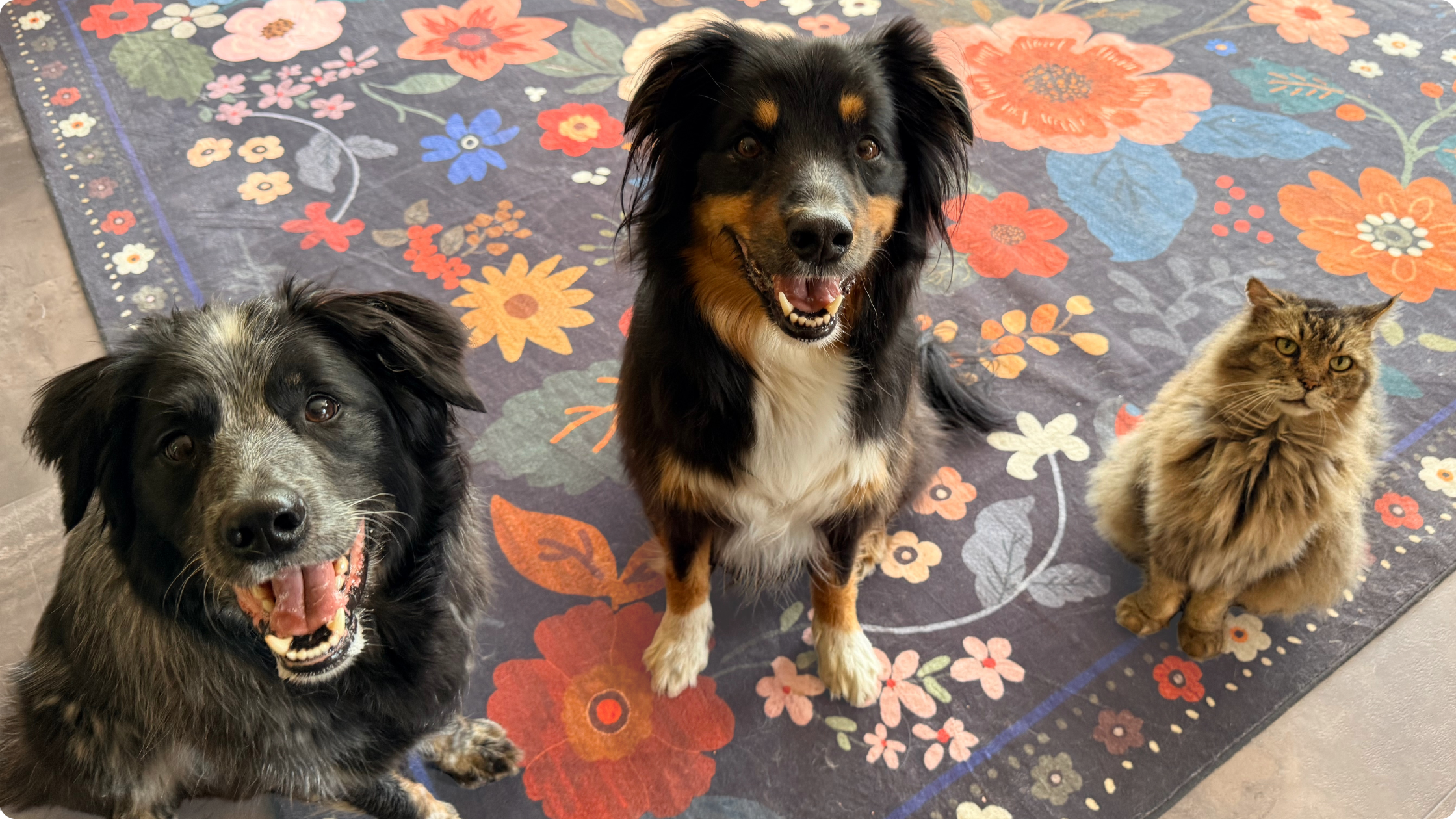
Handing someone the keys to your home is an act of trust. Handing them the care of your pets asks for even more. Whether you're leaving for a weekend in Homer or two weeks of work travel, the quality of that care depends on how carefully it was planned.
Most of us start by asking a neighbor, a friend's teenager or a sitter we found on an app. Each can work out well. Pet sitting is still largely unregulated, though, so the job of vetting a caregiver falls to you. This guide walks through the questions we believe every owner should ask, in the same order as our free printable checklist. We've cared for pets across Anchorage and Eagle River since 2019, and many of these questions come from situations we've learned to plan for.
Prefer a printable version? Page 2 is a fill-in sheet you can leave on the fridge for your sitter.
Download the checklistThe basics.
Ask these of anyone you're considering. The right caregiver will answer each one clearly and without hesitation.
- Are you insured and bonded in your own name? Insurance covers injury to your pet or damage to your home during care. A bond protects you if something goes missing. A booking platform's guarantee isn't always the same as insurance and may come with limits and exclusions, so ask what's covered and who handles a claim.
- Is pet care your full-time work? Someone balancing school or another job may have less room to adjust when a visit runs long, the roads close or your plans change.
- What training and background checks do you have? Loving animals is a wonderful start. Ask about formal training in pet first aid and CPR, animal behavior and safe handling, and who completed the background check.
- Who can I call if I can't reach you? When the person caring for your pets is also the only person you can call, a small worry has nowhere else to go. Ask who else knows your pets' care plan and can step in.
- Is there a consultation before care begins? This is where your pets' routines, medications, hiding spots and house rules are recorded, so nothing depends on memory.
- What will visit updates include? A photo confirms that a visit happened. Notes on appetite, bathroom habits, energy and behavior tell you how your pet is actually doing.
Why professional standards matter.
In October 2025, Pet Sitters International (PSI) released the first Global Standards for Professional Pet Sitting and Dog Walking. PSI described the industry as "rapidly growing but still largely unregulated" and built the standards to give owners and businesses a shared benchmark.
The standards cover ten areas, including insurance and risk management, emergency preparedness, animal care, client privacy and professional conduct. Hooman for Hire is a PSI member, and these standards guide how our team works every day. They're worth reading whoever you hire.
Essential questions.
Most problems during pet care arise from the unexpected. These questions show whether a plan is already in place.
When plans change
In my home
Alaska-ready
My kind of pet
Don't forget!
These details are easy to overlook, even for the most devoted owners.
Get it on paper
- A signed veterinary authorization. This gives your caregiver permission to approve treatment while you're unreachable. Set a spending limit you're comfortable with, and give your vet a copy.
- A named backup decision-maker. Choose someone who can make decisions if you can't be reached, and make sure they know they've been named.
- An emergency pet guardianship form. This names who will care for your pets if you're unable to return home. PSI's standards list it among the documents a professional pet care business should collect.
- Current microchip registration. A microchip only helps if the registry has your current phone number. The American Animal Hospital Association's Pet Microchip Lookup shows which registry holds your pet's chip, so you can confirm your details are up to date.
Write it down
- Your pet's normal. Note how much they eat and drink, their bathroom habits, where they sleep and their usual energy level. Changes in appetite, thirst or litter box habits are often the earliest signs of illness, and a caregiver can only spot them if they know the baseline.
- Routine order that matters. Some dogs won't eat until after their walk. Some cats eat only when the room is quiet.
- Hiding spots and quirks. Knowing where a nervous cat or rabbit retreats saves time and worry on the first visit.
Why many families choose a pet care team.
One kind, capable person can provide wonderful care. What one person can't always provide is a backup. A team brings trained staff who can cover any visit, managers you can reach when something comes up, documented care plans for every pet, and insurance and workers' compensation that protect you and your home. For many owners, that's what lets them stop checking their phone on vacation.
Whoever you're considering, walk through these questions together. If the answers leave you feeling calm about leaving, you've found the right fit.
Frequently asked questions.
How far ahead should I book a pet sitter in Anchorage?
At least two weeks for a typical trip, and four to six weeks for the holidays.
How many visits a day does my pet need?
Most dogs need at least two visits a day. Many healthy adult cats do well with one thorough daily visit, while seniors, kittens and pets on medication often need more.
What's the difference between bonded and insured?
Insurance covers accidents and injuries during care. A bond protects you if property is stolen from your home. A professional business carries both.
What should I leave out for my pet sitter?
Food, medications with written instructions, leashes, carriers, cleaning supplies, your vet's contact information and the nearest 24-hour emergency clinic.
What are PSI's Global Standards?
They're a set of best practices for professional pet sitting and dog walking businesses, released by Pet Sitters International in October 2025. They cover areas such as insurance, emergency preparedness, client privacy and animal care.
We're here to help.
Have a question about your pet's care? We're always glad to help, whether or not you book with us.
Sources: PSI Global Standards · PSI press release, Oct. 14, 2025 · AAHA Pet Microchip Lookup · Alaska workers' comp requirements (OnPay summary)


